Every decision you’ve ever made, no matter how logical it looked on paper, was ultimately driven by your Emotional Source Code™; the unconscious emotional programming based on your history that decides first and lets reason justify afterward.
What you likely are unaware of is that your Emotional Source Code™ isn’t private; it scales. Reengineer it, or it will continue to shape your legacy in unintended ways.
You may have never heard of the Emotional Source Code™, but I promise you that, whether you know it or not, it’s engineering your leadership legacy. Come with me, and I’ll explain…
Two leaders. Two organizations.
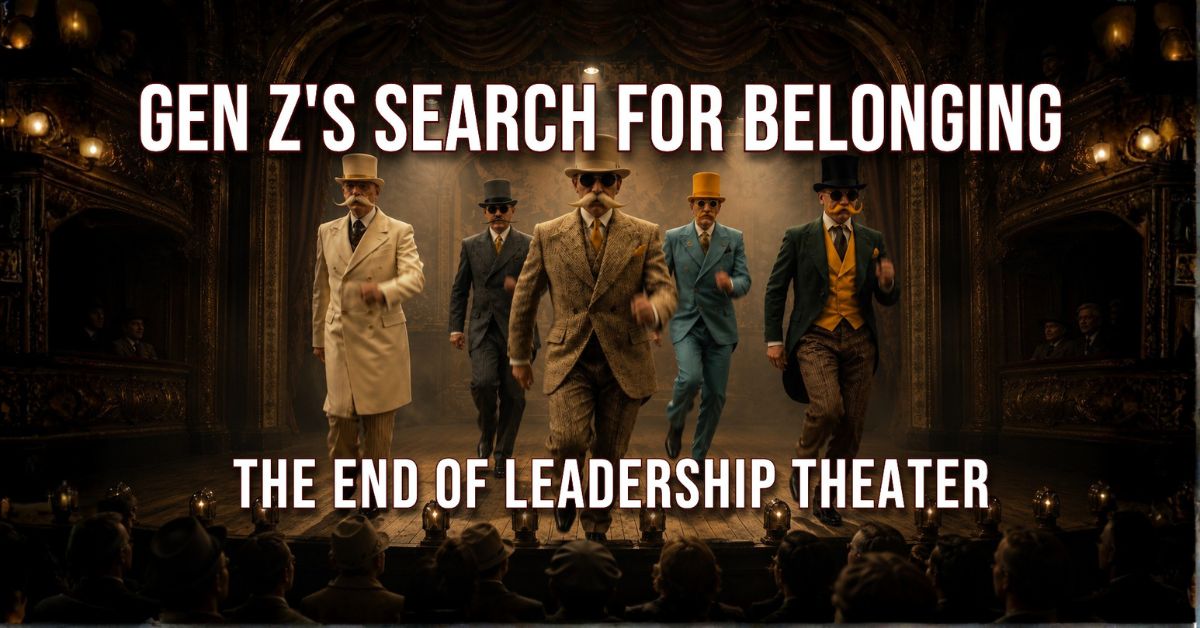
One built a gleaming headquarters, marble and glass, filled with mirror-image hires who looked and thought the same. On the surface, it was order and discipline. The press applauded. Investors admired.
The other leader built nothing showy. The building was plain. The people were varied. Different backgrounds. Different ways of thinking. Sometimes, they were even uncomfortable together. But inside, there was oxygen. Ideas collided, curiosity lived, and decisions carried both speed and depth.
 Five years later, the marble tower was empty. The organization had fractured, talent had bled out, and the stage theater had collapsed.
The other company? Still standing, stronger than ever.
The difference between the two leaders wasn’t strategy. It wasn’t capital. It wasn’t even the market. It was code.
TL;DR: Legacy strength isn’t decided by markets or capital. It’s written by the invisible code the leader exports.
Undeniable Truth: Legacies Don’t Collapse in an Instant
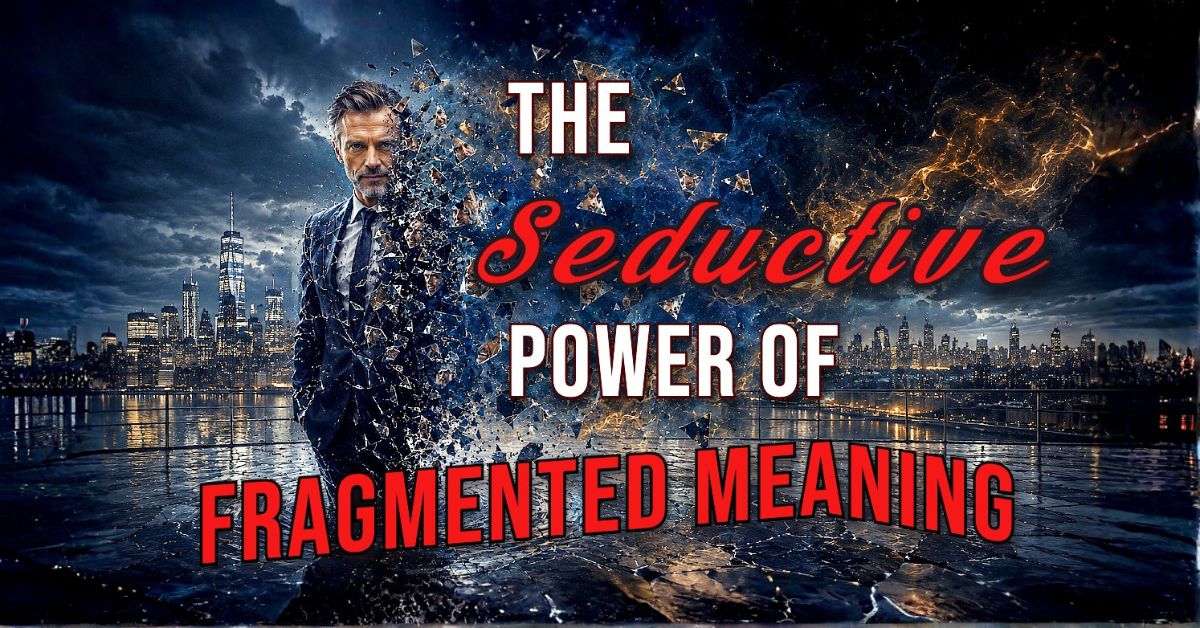
Legacies fracture like glass under pressure. A thousand hairline cracks spread invisibly until one day, what looked unshakable shatters into a million little pieces.
Every leader carries a hidden operating system, what I call your Emotional Source Code™ (ESC). This is the set of rules your brain wrote into your neurolnetwork during high-impact emotional moments long before you were “the leader.”
However, here’s what even the most intelligent, elite leaders miss: that code doesn’t stay private. You, to some degree consciously and to a greater degree, unconsciously export it. Once exported, it becomes company policy, hiring bias, leadership style, and culture.
That’s why legacies fracture while leaders remain convinced they are leading the right way.
TL;DR: Your Emotional Source Code™ is invisible and systemic. What you don’t reengineer, you export.
The Systemic Saboteur of Legacy: Your Emotional Source Code™
Every great leader has spent a good deal of time, energy, and mental resources crafting a vision for their organization. They obviously want the organization to embody that vision.
As wonderful as that is, it’s vital for leaders committed to personal or organizational transformation to recognize that their organizations do not automatically inherit their vision. They inherit your wounds.
Your ESC is practical and precise. If in your formative years you were rewarded as “the smart one,” your organization will overvalue intellectual dominance and underinvest in curiosity. If you were punished for standing out, your culture will quietly punish dissent, even as you preach “innovation.”
Your Disappointment Detector
 The habenula, a small brain structure near the thalamus, is the enforcer. It acts as your disappointment detector.
When it predicts pain, it blocks action.
You think you’re choosing caution. Your people feel the hesitation choke on initiative and learn that conformity is safer than courage.
This is not conscious. It’s systemic.
And unless you reengineer your ESC, those patterns will keep multiplying through every layer of your legacy.
TL;DR: The code you wrote in moments of survival now governs your culture. Unless reengineered, it becomes systemic sabotage.
Even Strategy Theater Can’t Save a Faulty Frame
You cannot optimize a foundation that is cracked.
Most leaders invest heavily in consultants, frameworks, or slogans. But let’s face it, that’s like painting over mold. You’re optimizing systems built to serve an outdated identity.
- If your ESC equates control with safety, you’ll hire replicas of yourself and choke innovation.
- If your ESC equates harmony with denial, you’ll bury conflict like a live wire under the floorboards.
- If your ESC equates love with struggle, you’ll burn your people out and call it excellence.
Add to this the addiction to “culture fit.” Homogenized hiring produces teams that execute but never imagine. Order without variance is entropy; death by a thousand cuts.
TL;DR: No strategy, consultant, or slogan can fix a culture still serving an outdated identity.
The Cost of Legacy Collapse: When the Glass Shatters
Collapse always signals itself before it explodes (or implodes).
The signs are there:
- Meetings full of slogans but no new insight.
- High performers are disengaging or leaving quietly.
- Middle management rewards predictability over courage.
- A pipeline of hires who look and think alike.
- Customers who no longer advocate for you.
You may still hit quarterly numbers. That’s the danger. Because the industry press applauds while curiosity suffocates and energy drains. Leaders often misinterpret disengagement as entitlement, rather than recognizing it as evidence that their exported code is straining the system.
And then the explosion comes. You call it disruption. In truth, it was cracks you refused to see.
TL;DR: Collapse shows up as silence, drift, and sameness long before the glass finally shatters.
What Legacy Reengineering Demands
This is not inspiration. It is protocol.
Legacy Reengineering rewires both the leader and the system simultaneously:
- Expose the code. Write down the unspoken rule your life taught you. EG: “Recognition is dangerous.” “Control equals safety.”
- Rewire the gatekeeper. The habenula predicts pain from past failures. Train it with deliberate new experiences that disprove the old rule.
- Hire a real mirror. Build cognitive diversity into your leadership team. Hire people who tell you truths you don’t want to hear.
- Replace fitting in with belonging. Belonging isn’t comfort. It is permission to bring unedited cognition to the table.
- Replace slogans with operating rituals. Culture is the behaviors leaders repeat. Reward curiosity. Compensate for contribution based on quality, not volume.
This is leadership surgery under bright lights.
TL;DR: Legacy Reengineering isn’t inspiration. It’s surgery that rewires you and your system in tandem.
Left Unchecked: How Your ESC Becomes Systemic Policy
Every blind spot at the top becomes law somewhere below.
- If your ESC fears humiliation, managers will avoid feedback.
- If your ESC worships speed, teams will skip discovery.
- If your ESC shies from conflict, your organization will bury it until it erupts.
Legacy Reengineering traces personal patterns into hires, budgets, product bets, and customer promises. It is the only way to stop unconscious patterns from becoming systemic sabotage disguised as strategy.
TL;DR: What you don’t face as a leader becomes policy your people must live under.
Why Neurodiversity Is a Mechanism, Not an HR Slogan
 Let me be clear: the context for the word neurodiversity isn’t about a diagnosis.
It’s about surrounding ourselves with people who do not think like us. Innovation requires variance.
Without variance, you only scale what you already know.
The superstition of a “normal brain” is expensive:
- Homogenized teams solve nothing new.
- Rewarding performance theater kills curiosity.
Reengineered cultures treat variance as an asset class. They minimize power distance, protect dissent, and separate behavior that breaks trust from cognition that breaks patterns. The result is range. And range cracks open problems that rigid teams cannot even see.
Belonging is the container. Without it, variance turns to noise. With it, variance becomes innovation.
TL;DR: Innovation comes from variance inside belonging, not sameness inside fear.
The Legacy Transformation You Can Bank On
Reengineered identity produces reengineered outcomes. Nothing else does.
Before: you chase control and call it strength. You reward obedience and mistake silence for alignment.
After: you make cleaner decisions. You trade urgency theater for disciplined curiosity. Dissent becomes a signal. Cognitive range expands.
- Financial advantage: reduced churn, fewer rework costs, faster sense-making.
- Strategic advantage: timing. You see what others miss because you stopped hiring replicas.
- Cultural advantage: oxygen. Strong minds choose to stay because they can breathe.
That is the return on Legacy Reengineering.
TL;DR: Reengineered identity creates financial, strategic, and cultural returns you cannot buy any other way.
The Legacy Reengineering Protocol
Systems beat slogans every time.
The protocol is precise:
- Dismantle outdated narratives that no longer reflect your truth.
- Rebuild authority positioning around who you’ve become, not who you were.
- Ensure reinvention amplifies power instead of eroding it.
- Make your legacy a living force, not a museum piece.
This is not therapy. This is leadership at surgical depth.
TL;DR: Protocols, not slogans, future-proof your legacy.
Your Move
What you refuse to reengineer will eventually own you.
You can continue exporting old patterns into your culture and dressing them up as strategy.
You can keep blaming markets while the glass fractures beneath you.
Or you can face the mirror, rewire the code, and rebuild a culture where courage costs less than conformity.
That choice will decide whether your legacy endures as a living authority or shatters into a cautionary tale. [Book a private consultation.]
EQ-Driven Q&A for Elite Leaders
Q: If I’ve built global recognition, why should I question my Emotional Source Code now?
A: Because recognition doesn’t equal resilience. Your recognition is great, however, if your ESC hasn’t been reengineered, the cracks are already spreading. Your people feel them long before you do.
Q: How do I know if my ESC is sabotaging my culture?
A: Look for silence where there should be curiosity, sameness where there should be variance, and performance theater where there should be truth. Those are signs of export.
Q: Won’t admitting my old code weaken my authority?
A: No. Denial weakens authority. Facing your ESC expands it. Reengineered leaders command deeper trust because they no longer export hidden sabotage.
Q: What’s the advantage of doing this work?
A: You recover authority, timing, and range that outlasts you. Financially, strategically, and culturally, your legacy stands as an enduring authority, not as a cracked monument.